Build a two-zone vehicle emergency kit.
A car kit fails when the useful item is buried, heat-damaged, frozen, discharged or sitting at home. Divide the system into durable gear that stays in the vehicle and a small bag that travels with the people who need it.
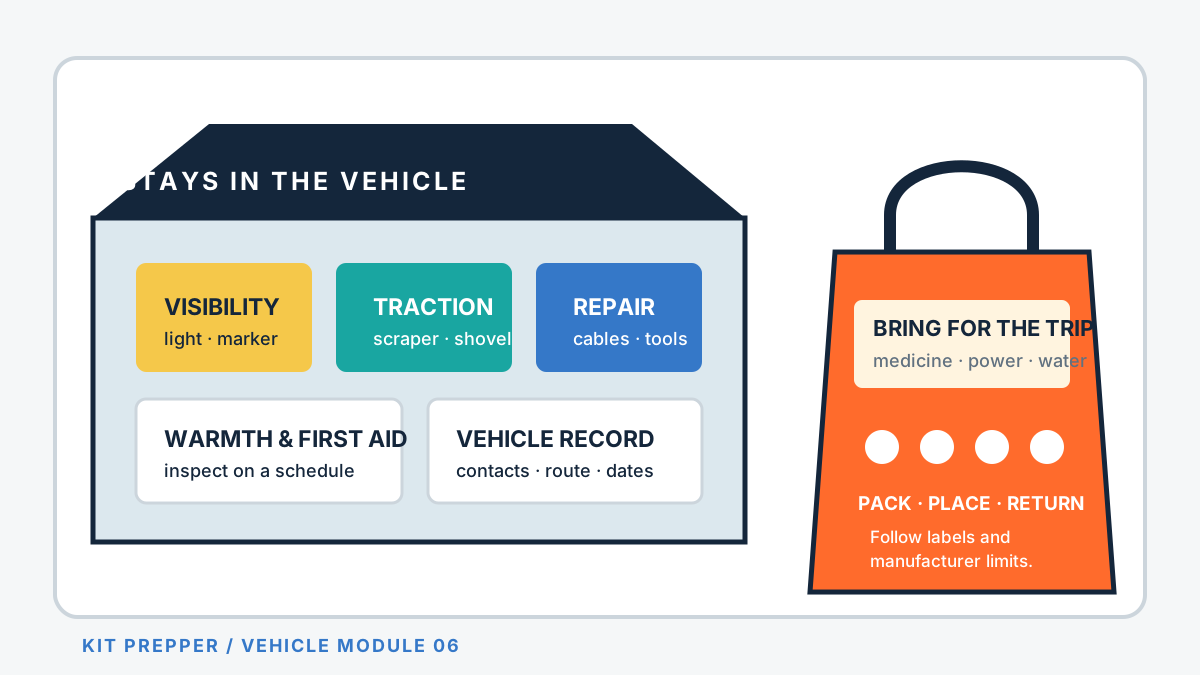
Why one permanent bag is the wrong model
Public checklists correctly name useful categories, but they can encourage one oversized tote that is packed once and forgotten. Recent driver discussions keep returning to the same practical questions: how much trunk space should a kit consume, what survives months of heat and freezing weather, and how do you keep medicines and batteries usable? Those questions expose a design problem rather than a missing-item problem.
NHTSA’s winter-driving guidance recommends carrying a shovel, broom, ice scraper, abrasive material, jumper cables, flashlight, warning devices, first-aid kit, blankets, phone and charger, water, food and necessary medicine. The categories are a starting point. Storage instructions, climate, passengers, trip length, vehicle type and the person who must reach an item determine where each piece belongs.
A two-zone system separates vehicle-resident supplies from a trip bag. The first zone stays secured in the vehicle and handles visibility, warmth and common roadside problems. The second comes from a controlled indoor location and carries items that need active rotation, temperature control, charging or individual adjustment.
Zone one: durable gear that stays with the vehicle
Build this zone around the vehicle and the roads it actually uses. Read the owner’s manual before choosing lifting, towing, tire or fluid equipment. A tool is not a capability unless the driver knows when it is safe to use and can reach it without standing in an unsafe traffic lane.
Warning devices, reflective vest or marker, and a light that can be reached from the passenger area.
Season-appropriate scraper, brush, small shovel and abrasive material where snow or ice make them relevant.
Vehicle-compatible jumper cables or approved jump device, tire equipment and only the tools the operator can use safely.
Blankets, weather layer, gloves, first-aid kit and simple sanitation supplies sized to the regular passengers.
Paper contact card, roadside-assistance details, map or written route, and the vehicle’s identifying information.
A visible inspection tag showing the last check and the next seasonal review.
NHTSA says cold temperatures reduce tire pressure and recommends using the vehicle maker’s inflation pressure, found in the owner’s manual or driver-side door-frame label, rather than the maximum printed on the tire. Its guidance also calls for checking the spare, lights, wipers, defrosters, battery and cooling system. Those vehicle checks can prevent the roadside problem that a packed tote cannot fix.
Zone two: the bag that joins the trip
Keep this compact bag by the normal departure point. It is for supplies that should not be abandoned in a vehicle for weeks, that change with the passengers, or that require checking immediately before travel. Use a bright handle tag and a written “return indoors” cue.
| Trip-bag category | Why it moves | Departure check |
|---|---|---|
| Necessary medicine | Storage and replacement rules are product-specific; the correct supply belongs with the person. | Correct label, current list, scheduled doses, storage instructions and pharmacy contact. |
| Medical or communication power | The device may need charging, an approved battery and a named backup procedure. | Charge level, compatible cable, tested runtime and supplier instructions. |
| Water and food | Quantity changes with passengers and travel; packaging and quality require inspection and rotation. | Enough for the planned occupants and delay, containers intact, dates checked. |
| Children and pets | Sizes, feeding, diapers, comfort items, restraints and records change. | Current fit, weather layers, food, water, leash or carrier, and caregiver contacts. |
| Accessibility needs | The right supplies depend on the passenger and destination. | Mobility, sensory, communication, transfer and accessible-transport needs covered. |
| Route-specific layer | A city errand, mountain crossing and remote work trip have different exposure and response times. | Forecast, road status, alternate route, arrival contact and latest go/no-go time. |
Do not turn the car into a medicine cabinet
The FDA tells patients to ask how and where each medicine should be stored and specifically what to do if it was left in a hot car. It also advises checking labeled storage instructions or contacting a pharmacist, health professional or manufacturer when a temperature-sensitive medicine has not stayed at its recommended temperature. Heat can reduce effectiveness, and different products have different limits.
Keep the active medicine plan in the trip bag unless the label and a pharmacist support another arrangement. Include a current medicine list, pharmacy number and product-specific storage directions. If cooling is required, use the method directed for that product; “put it on ice” is not a universal instruction, and freezing can be harmful to some medicines. The grab-ready medication module explains how to pair the supply with records, cooling and device power.
Treat power banks, rechargeable lights and jump packs the same way: read the maker’s operating and storage ranges, inspection schedule and charging instructions. A device whose status is unknown should be marked “needs test,” not counted as ready.
Pack for the people who actually ride
Count the regular occupants, but also record who may ride during a disruption. A grandparent who uses a walker, a child in a car seat, a service animal or a coworker on a remote route changes the kit’s fit. Avoid filling every inch of the cargo area; the system still needs room for mobility equipment, groceries, luggage and safe loading.
Children
NHTSA warns that bulky winter coats can interfere with a snug child-seat harness. It recommends thin warm layers under the harness and placing a blanket or coat over the child after the harness is secure. Store the blanket where an adult can reach it without unloading the trunk. Recheck clothing sizes, diapers, feeding supplies and comfort items whenever the season changes.
Pets and service animals
Add a leash or carrier, water container, waste supplies, a current identification photo, veterinary contacts and any product-specific food or medication plan. Do not assume a pet’s daily bag is already in the vehicle. Use a departure cue that places the animal module beside the human trip bag.
Mobility, sensory and communication needs
Keep the emergency handoff card with the traveler, not buried beneath tools. Confirm that the vehicle has space for the device, the planned assistance respects the person’s preferences, and a backup ride is accessible. Label cables by device and store the approved charging method where another person can find it.
Placement is part of the plan
A warning marker trapped under luggage cannot protect a stalled driver. Put the first actions nearest the cabin or liftgate: visibility, light, weather layer, contact card and instructions. Place heavier items low and secure them so they do not shift. Follow the vehicle maker’s cargo, jack and spare-tire instructions, and preserve access to required safety equipment.
Use plain labels that work in low light: “BE SEEN,” “WARMTH,” “FIRST AID,” and “TRIP BAG.” If a passenger cannot lift the container, split it. If the liftgate may not open, identify what can be reached from a door. If opening the trunk would place someone near moving traffic, the priority is personal safety and calling for help.
Run a 15-minute driveway test
- Start from the driver’s seat. Without coaching, ask the regular driver to find the warning device, light and contact card.
- Add the trip bag. Load the correct medicine, power, water and passenger layer; note anything that depends on memory.
- Simulate a blocked trunk. Identify the items still reachable and whether the driver can call, stay warm and be seen.
- Check fit. Load a normal grocery or luggage trip and confirm that mobility equipment and safe passenger space remain available.
- Close the loop. Return the trip bag indoors, recharge what was tested and write the next inspection date.
The National Weather Service calls fall a good time to inspect vehicle winter supplies and replace depleted or perishable items. Add another review before a long trip, after using any component, after a passenger’s needs change and when the vehicle changes.
Write one departure card
Keep the final check short enough to use: forecast, road status, fuel or charge, phone, trip bag, passengers, route shared. NHTSA recommends keeping a fuel tank close to full when possible, keeping an electric or hybrid vehicle charged, checking local weather and traffic, and letting others know the route and expected arrival. A long inventory belongs on the maintenance sheet; the departure card should answer whether the trip is ready now.
If stranded in wintry weather, NHTSA advises staying with the vehicle, making it visible, avoiding overexertion and keeping the exhaust pipe clear of snow. Run the vehicle only sporadically and never for long periods in an enclosed space. These actions belong on the vehicle card because a stressful roadside stop is the wrong time to reconstruct them from memory.
Sources checked
- National Highway Traffic Safety Administration: Winter Weather Driving Tips
- NHTSA: Keep Your Little Ones Warm and Safe in Their Car Seats
- National Weather Service: Winter Weather Safety
- FDA: Tips for Talking With Your Pharmacist
- FDA: Safe Drug Use After a Natural Disaster
- Ready.gov: Winter Storm Information Sheet
Research reviewed October 5, 2026.